



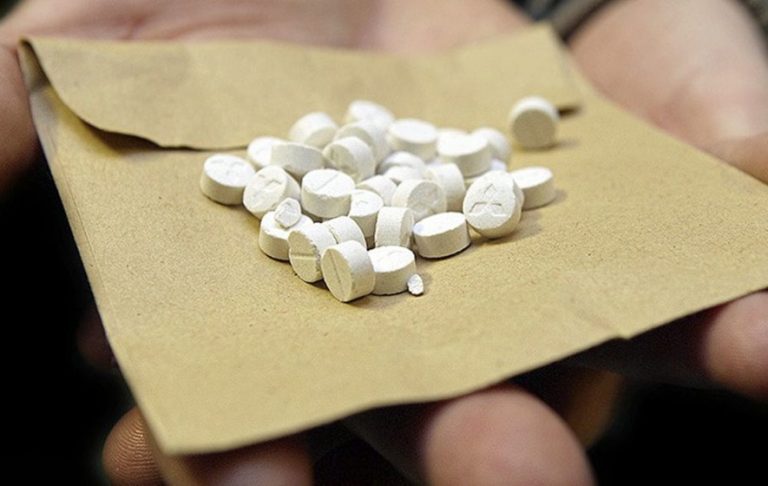
We advise on trafficking and other drugs offences.
Our solicitors possess a wide range of experience in this field. Drug charges are increasingly common and, whatever the scale of the alleged offence, you will be represented by one of our experienced drugs crime lawyers who can call on the back-up of our considerable resources. We are ideally placed to ensure you achieve a favourable result and are particular experts in the following fields:
- Drugs possession
- Possession with intent to supply
- Drug production and supply
- Importation / exportation
- Cannabis cultivation
- Drug trafficking
Drugs Law
The Misuse of Drugs Act 1971 provides most of the current legislation on drug offences. We have explained parts of it below, but drug cases are often very complicated. Anyone charged with a drugs offence should contact a solicitor as soon as possible.
Mre possession of most banned substances constitutes an offence. The level of seriousness depends mainly on two factors:
The Type of Substance
The defendant’s reason for being involved with the substance
The Type of Substance involved. Illegal drugs are broadly categorised into three classes – A, B, and C. Class A drug offences are viewed more harshly.
Class A drugs include cocaine, heroin and ecstasy.
Class B drugs include speed and other amphetamines.
Class C drugs include regular strength cannabis, many tranquilisers and steroids.
The Purpose of the Accused Individual’s Involvement with the Substance in Question
Once the type of substance is established, the next step is to determine the nature of the individual’s involvement. Possession is not regarded as a particularly severe matter, but possession with intent to supply is seen as a serious issue.
Any offences dealing with the production, exportation or importation of an illegal substance can result in a sentence of 10 years or more.
Drugs Possession and Intent to Supply
If charged with mere possession of a substance, an individual is unlikely
to receive a prison sentence, even if convicted at trial.
Possession with intent to supply carries a much more severe punishment. These cases can only be dealt with by the Sheriff Court or High Court. Prison sentences are quite likely whether you plead guilty or are found guilty at trial.
The reason for the difference in the severity of the two above offences is that possession with intent to supply is essentially drug dealing. This can be a few bags of marijuana or suitcases full of heroin.
The length of the sentence imposed depends on a variety of factors. These include the strength and quantity of drugs, whether the accused is part of a more extensive drug network etc.
Life imprisonment is the maximum sentence for intent to supply class A drugs; however sentences of 10 years or more are relatively rare.
Drug dealing convictions for class B and C drugs tend to result in prison sentences that are significantly shorter.
Sentences may be reduced if:
Dealing undertaken to fund a drug habit.
Pressure from a dealer to work for them exists (this is unlikely to lead to escaping a guilty verdict but can be of help in reducing the severity of a sentence).
The accused cooperates with the police.
A guilty plea is entered early.
The offender is of an age that can be treated leniently.
Possession with Intent to Supply
Personal use is the classic defence, but the prosecution can submit evidence which attempts to show that the intended use is not merely personal.
This can include:
Large quantities of drugs.
High volumes of unexplained money.
Lists of names and monetary or weight values attributed to them.
Packaging materials used to split larger quantities or drugs into smaller, more easily sellable amounts.
Scales or other paraphernalia used in the preparation or sale of drugs.
Importation, Exportation and Production of Drugs
Offences of this type are seen as particularly serious as they tend to involve large quantities and career criminals who can make millions of pounds.
These offences are treated harshly as they are integral to the continued running of the illegal drug industry. Without production level participants, smaller, local dealers who have direct contact with users would cease to have access to these illicit substances.
Importation / Exportation Case Evidence
Importation and exportation cases, like many others, often rely on mobile phone evidence. If the prosecution brings conspiracy charges, they must link the defendants together for the charge to be proven. Mobile phone traffic between defendants is key to this and can, theoretically, bring in new defendants to the case.
Mobile phone tower data, or ‘cell-site analysis’, is also used to illustrate the approximate location of defendants at certain times. This evidence can be challenged though.
Vehicle sat navs are also used to trace defendants’ activities. We are up to date with this and several other modern practices, but the new and expanding area of forensic science is relatively unknown to most solicitors.
Fingerprints, DNA and other forensic evidence is usually important in drug cases. With this type of evidence, it is often difficult to mount technical challenges, although it is possible in some instances. The most effective way of attacking this evidence is on the grounds that the object in question was innocently handled, possibly without knowledge. Or even the assertion that an object found at a drug production site may have been moved there after the forensic evidence in question was deposited.
Forensic analysis of body parts or clothing is not an exact science. One of the most famous examples of this was the scandal involving the ‘Maguire Seven’, who were convicted wrongfully of being involved in the construction and detonation of IRA bombs. It was accepted that the nitro-glycerine discovered on their hands could feasibly have been transferred by touching, for example, a contaminated cloth or towel.
Banknotes are often found to have traces of cocaine, although this doesn’t necessarily mean that the current holder of the money has been directly in contact with the substance in question. A 1999 survey conducted by Mass Spec Analytical found that 99% of their sample of 500 London banknotes contained traces of the drug.
Drug Production
Drug production cases are viewed as extremely serious by the courts. These cases not only involve drugs but often also involve illegal immigrants. It is often these immigrants who face prosecution when, in reality, they are victims, and the real culprits escape conviction.
UK law makes distinctions between the different levels of activity in these cases. ‘Workers’ receive lighter sentences while supervisors face more prolonged periods of custody.
Drug production cases are often extremely complex and often involve property, financial records, immigration issues and forensic evidence.